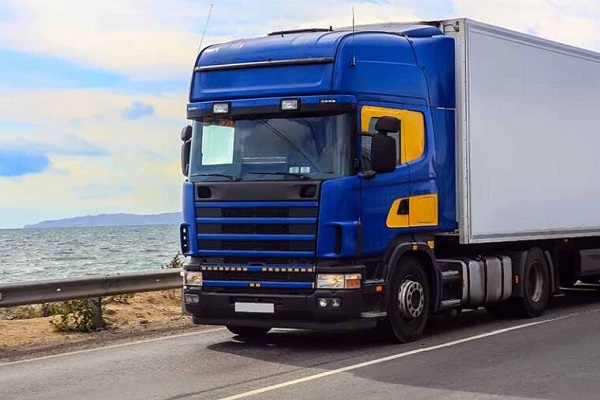
As shipments leave your warehouse and travel by truck to your other warehouses or customers, you have to know where they are at all times. Tracking is important for e-commerce business success because of its effect on customer care despite freight clients’ demand to know where their products are and when to expect them.
Cargo tracking can be made complex to carry out. Nevertheless, when you know how to track your products’ shipments, you can improve your delivery rate and reduce the number of missing packages. Help your company stay in touch with automated product tracking by learning the information about this delivery approach.
What Is Freight Tracking?
Tracking is the ability to see– in real-time– where a shipment is at any given time. Inbound tracking allows your company to trace and prepare to get inbound deliveries. Outbound product tracking concentrates on your customer shipments. You can track your delivery times and reroute shipments, and your users can follow their packages.
A company can make use of freight tracking for Less than Truckload (LTL) shipping to doorsteps and businesses throughout the globe. You can use it to track both ground and air deliveries. Tracking freights in deliveries can be valuable for worldwide logistics. Complications can always occur at custom-made or while using numerous local carriers to send out parcels. Alternatively, freight tracking provides you satisfaction.
You have several means to gain access to product tracking in the Comprehensive logistics sector. One technique is making use of the bill of lading number (BOL). By plugging this number right into your delivery carrier’s site, you can get the existing places of your outbound shipments. If you don’t have a BOL, nevertheless, you can use some other numbers to find your shipments. Acquaint yourself with these product tracking terms connected to tracking by numbers.
Transportation management system (TMS): The software program you use to manage and track your deliveries is your TMS. It shops shipping details and even helps you choose a carrier. The software program can find a provider that will reduce your delivery times and enhance expenses, depending on the last destination.
Bill of lading number (BOL): Your BOL is an important piece of information for all parts of the LTL shipping procedure. It acts as an invoice when products alter hands in between the product’s carrier and the shipper. Carriers store a significant quantity of important data within a BOL.
Pro number: The provider appoints the pro number to identify a shipment once it’s been gotten — this is generally taken into consideration by the conventional industry tracking number.
PO number: The purchaser assigns the PO number as a recommendation for a shipment. A PO number simplifies documents and interactions about an order, consisting of payment info.
Shipment number: The carrier creates a reference number or clarifying phrase to identify a shipment. Shipment reference numbers could be a BOL number, an order number, or a customer number.
Thanks for reading this article. For more information about logistics company Los Angeles please visit our website.

 Our Content Blogs