Benefits of Buying Disposable Vapes Near Easton

Buying a disposable vape should not feel like solving a technical problem. Most adult buyers want something simple: open the package and use the device without matching a battery, cartridge, or voltage setting. That convenience explains why disposables have become popular. For many occasional buyers, that is enough to make shopping feel less confusing.

For shoppers searching for disposable vapes Easton, browsing online first can make the process easier. Buyers can compare sizes, extracts, brands, prices, and charging options from home.

Everything Comes in One Device

The biggest benefit is simplicity. A disposable vape usually includes the battery, oil chamber, heating element, and mouthpiece in one compact unit. There is no separate cartridge to attach and no need to check whether a battery uses the correct thread.

That helps buyers without vape hardware. It also suits occasional users who do not want chargers, spare cartridges, or extra replacement parts.

Many devices are draw activated. The user inhales, and the device begins working. Some models include a button, but most keep the experience straightforward. Buyers should still read the directions because one brand may work differently from another.

Easier to Compare Before Visiting

Online menus let buyers slow down. A person can open two or three listings and compare the details without feeling pressured.

Start with the fill size. A smaller device may be better for trying a new strain or brand, while a larger one may offer a lower cost per gram. Bigger is not always better. If the flavor is not enjoyable or the device sits unused, the extra amount provides little value.

Next, look at the extract. Distillate is common and usually offers consistency. Live resin may have a stronger plant-like aroma, while live rosin is often chosen by buyers interested in solventless processing. These labels can narrow the menu, but no product suits everyone.

The Feels of Green gives adult buyers a place to review cannabis categories before planning a visit. Looking online first can save time and help shoppers prepare useful questions.

No Separate Battery Cost

A cartridge normally requires a compatible battery. That means the first purchase may include two products instead of one. A disposable already has a battery built in, so the buyer does not need to spend extra on separate hardware.

This is useful for someone testing vaping for the first time or an adult buyer who does not want a long-term device. It also reduces the chance of buying a cartridge that does not fit the battery already owned.

Some larger disposables have charging ports. This helps the battery last until the oil is finished. Rechargeable does not mean refillable. A closed device should not be opened or filled with another oil. Buyers should use the recommended charging method and stop using a device that becomes damaged, unusually hot, or starts leaking.

More Choice Without Too Much Commitment

Disposable vapes come in different strains, flavors, extract styles, and sizes. That gives buyers room to try something new without purchasing a separate battery or a large amount of product.

Someone unsure about a flavor may choose a smaller size first. A returning buyer who knows a brand may choose a larger option. This flexibility is one benefit of buying disposable vapes Easton shoppers can review online.

Potency should not be the only deciding factor. A higher THC percentage does not automatically mean better quality. Flavor, hardware reliability, draw, extract type, price, and personal tolerance may matter just as much.

Final Thoughts

Disposable vapes offer several practical benefits for adult buyers. They are easy to use, require no separate battery purchase, come in different sizes, and allow shoppers to compare products online before visiting a store.

The best choice is not always the largest device or highest potency. A careful buyer looks at extract type, fill amount, charging design, brand, price, and product details. That small amount of research can make the purchase less confusing and better suited to the buyer’s needs. 

How to Get Your Pay Stubs From a Previous Employer (2026 Guide)

Whether it’s for an apartment application, a loan, or your taxes, sooner or later someone asks for your pay stubs, and there’s a good chance you no longer have them. Maybe you switched jobs, maybe the portal logged you out for good, maybe you never saved them in the first place. It’s one of the most common paperwork headaches there is, largely because pay stubs are still the number-one document people use to prove income.

The good news: you’ve got several ways to track them down, and most of them are quick. Here they are, roughly from easiest to last resort.

Start with the payroll portal

Before you email anyone, try logging in. Most companies run payroll through a provider like ADP, Workday, Gusto, or Paychex, and those portals often keep your access alive for a window after you leave, commonly 30 to 90 days. If you’re still inside that window, you can usually download every stub yourself in a couple of minutes.

If you’re not sure which system your old employer used, dig up an old direct-deposit email or check your password manager for a saved login. And if you’re still employed there, this is almost always the fastest route: your stubs are sitting in your account under a “pay” or “earnings” tab, ready to download or print.

Ask HR or payroll, in writing

If the portal’s closed, go straight to the human resources or payroll team, not your former manager. A written request works best because it creates a paper trail and gives them everything they need in one shot. Include:

  • Your full legal name, plus any name you used while employed
  • The last four digits of your Social Security number
  • Your employee ID, if you know it
  • Your dates of employment
  • The exact pay periods you need

Email tends to beat a phone call here, and most employers turn these around in about five to ten business days. If you’re on a deadline, say so up front and ask how long it’ll take.

How far back should you request? For a rental or a personal loan, most reviewers want your two or three most recent months. For taxes, you’ll want the full year. For a mortgage, plan to hand over more, often your most recent stubs plus prior years of W-2s, so ask for a little extra rather than going back twice.

Know your rights before you push

Here’s something that surprises people: no federal law requires employers to hand out pay stubs at all. The Fair Labor Standards Act only requires them to keep payroll records, for at least three years, and IRS rules stretch that to four. Your actual right to see or receive a stub comes from your state.

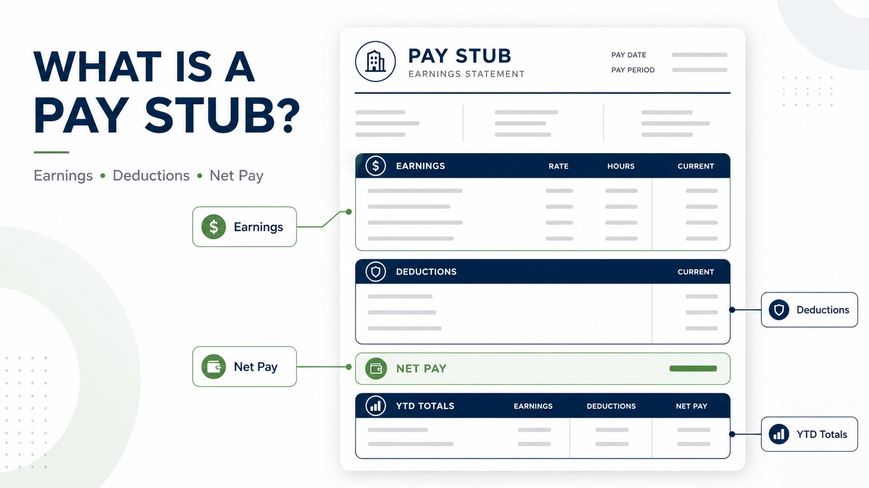
Those rules vary a lot. Some states require employers to provide a stub every pay period. A handful, including California, Colorado, Hawaii, Texas, and Washington, specifically give workers the right to view and print their stubs. A few, such as Alabama, Florida, and Georgia, have no pay stub law on the books at all. Since the details differ by state and change over time, it’s worth a quick look at your state Department of Labor site before you assume what your former employer owes you. If you’re fuzzy on what a stub should even contain, here’s what a pay stub is and which document actually proves income.

If they won’t cooperate

Sometimes an employer drags their feet or flat-out refuses. If a written request goes nowhere and your state requires access, you can file a complaint with your state’s labor department or the federal Wage and Hour Division. That usually prompts action, since ignoring a valid request can put the employer on the hook for penalties.

If the company has closed

A shuttered business is the trickiest case, but you’re still not stuck. A few options:

  • Your bank statements. If you were paid by direct deposit, your statements show every deposit, which reconstructs your income even without the stubs themselves. Your bank can usually pull older statements on request.
  • The Social Security Administration. You can request your Social Security earnings information at ssa.gov. It lists your former employers along with the wages reported for the years you ask about.
  • The IRS. A free wage and income transcript through the IRS “Get Transcript” tool shows the W-2 and 1099 data your employers reported. If you need an actual copy of a W-2 rather than the transcript data, you can order one with Form 4506, though the IRS charges a fee for the full return.

None of these is a stub in the classic sense, but any of them can stand in when you need to document what you earned.

When you genuinely can’t get the originals

If the stubs are simply gone and rebuilding them from a portal or HR isn’t possible, shift your focus from the stub to the goal: proving your income. Landlords and lenders accept more than pay stubs. There’s a whole set of documents that work when you don’t have stubs, from tax returns and bank statements to employer letters. If income is what’s being verified for a place to live, this rundown of proof of income for an apartment covers exactly what most landlords will take.

Self-employed and contract workers sit in a slightly different spot, since no employer ever issued them a stub to begin with. In that case, building a clean, formatted record from your actual earnings, backed by deposits and 1099s, is a normal way to organize income you can already prove. The rule that keeps you safe is simple: document money you actually earned, never numbers you didn’t.

Once you have them, read them

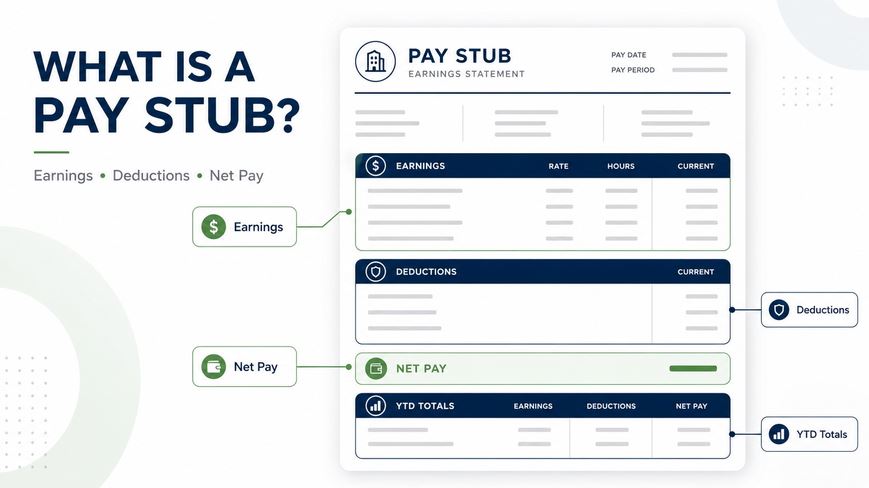
When your stubs finally land, give them a look before you hand them over. Check that the pay periods, gross pay, and year-to-date totals match what you expect, and that your name and the employer details are correct. One small error caught now beats a bounced application later. If any of the lines look unfamiliar, here’s what a pay stub looks like, part by part.

Going forward, save each stub as it posts. Download the PDF every pay period and keep a folder by year, so the next time someone asks, it’s a two-minute job instead of a two-week one.

The short version

Try the payroll portal first, then a written request to HR or payroll, then your state labor department if they won’t play ball. If the company’s gone, lean on your bank, the SSA, and the IRS. And if the originals are truly unrecoverable, remember the stub was only ever a means to an end. What matters is proving your income, and more than one document does that job.

CBD Blüten: Warum viele Käufer nicht nur nach Prozenten schauen sollten

CBD Blüten kaufen klingt erstmal einfach. Man sieht eine Sorte, schaut auf den CBD-Gehalt, vielleicht noch auf den Preis, und fertig. So machen es viele. Aber wer schon ein paar Mal CBD Blüten bestellt hat, merkt schnell: Die Prozentzahl ist nicht alles. Manchmal ist eine Blüte mit weniger CBD angenehmer als eine Sorte, die nur auf dem Papier stark aussieht.

Bei CBD Blüten geht es um mehr. Um Duft. Um Frische. Um die Struktur der Blüte. Und auch um das Gefühl, ob ein Shop ehrlich beschreibt, was verkauft wird. Genau das macht den Unterschied zwischen einem schnellen Kauf und einem Kauf, bei dem man später sagt: Ja, das war die richtige Sorte.

CBD Blüten sind kein normales Standardprodukt

CBD Öl ist klar und praktisch. Eine Flasche, eine Stärke, ein paar Tropfen. CBD Blüten sind anders. Sie wirken viel natürlicher, weil man die Pflanze noch sieht, riecht und anfassen kann. Jede Sorte hat ihren eigenen Charakter. Manche Blüten riechen eher süss, manche erdig, manche frisch, manche etwas würziger.

Darum sollte man CBD Blüten nicht wie irgendein Massenprodukt behandeln. Zwei Sorten können denselben CBD-Gehalt haben und trotzdem komplett anders wirken im ersten Eindruck. Eine kann trocken und flach riechen, die andere frisch und aromatisch. Genau deshalb schauen erfahrene Käufer nicht nur auf Zahlen.

Der Geruch sagt oft mehr als die Verpackung

Wenn man CBD Blüten öffnet, merkt man ziemlich schnell, ob sie ordentlich gelagert wurden. Frische Blüten riechen nicht muffig oder alt. Sie haben ein klares Aroma, manchmal leicht fruchtig, manchmal krautig, manchmal herb. Das hängt von der Sorte ab.

Natürlich kann man online vorher nicht daran riechen. Deshalb ist die Produktbeschreibung wichtig. Ein guter Shop erklärt nicht nur den CBD-Gehalt, sondern gibt auch Hinweise auf Sorte, Aroma und Qualität. Wenn auf einer Seite nur “Top CBD Blüten” steht, aber sonst kaum Informationen kommen, wäre ich vorsichtig.

Gute CBD Blüten brauchen keine übertriebenen Versprechen. Sie brauchen klare Angaben und eine Beschreibung, die wirklich hilft.

Nicht jede Sorte passt zu jedem Käufer

Viele machen beim ersten Kauf den Fehler, direkt die Sorte zu nehmen, die am stärksten klingt. Das ist verständlich, aber nicht immer die beste Idee. CBD Blüten sind auch Geschmackssache. Wer eher milde, weiche Aromen mag, wird mit einer sehr intensiven Sorte vielleicht nicht glücklich. Wer kräftige Hanfnoten liebt, findet eine dezente Sorte vielleicht langweilig.

Deshalb macht es Sinn, Sorten nach Aroma und Stil zu vergleichen. Fruchtige CBD Blüten passen eher zu Käufern, die etwas Leichteres suchen. Erdige oder würzige Sorten wirken oft klassischer. Diesel- oder Skunk-ähnliche Profile sind meistens auffälliger im Geruch. Das ist nicht besser oder schlechter, nur anders.

Beim CBD Blüten kaufen sollte man also fragen: Was mag ich eigentlich? Nicht nur: Welche Sorte hat den höchsten Wert?

Frische ist wichtiger, als viele denken

CBD Blüten können gut aussehen, aber trotzdem nicht frisch wirken. Wenn sie zu trocken sind, zerfallen sie schnell und verlieren viel vom natürlichen Charakter. Wenn sie zu feucht sind, ist das auch nicht gut. Eine gute Blüte sollte ordentlich getrocknet und sauber gelagert sein.

Das merkt man besonders am Aroma. Alte Blüten riechen oft schwach oder irgendwie leer. Gute Blüten haben mehr Tiefe. Man muss kein Experte sein, um das zu merken. Der erste Eindruck reicht oft schon.

Darum lohnt es sich, bei einem Shop zu kaufen, der seine Produkte gepflegt präsentiert und nicht einfach nur möglichst viele Sorten auflistet. Qualität entsteht nicht nur beim Anbau, sondern auch bei Lagerung, Verpackung und Versand.

CBD Blüten online kaufen: worauf ich achten würde

Online hat man den Vorteil, dass man in Ruhe vergleichen kann. Niemand drängt. Man kann Sorten anschauen, Preise prüfen und die Beschreibung lesen. Aber genau deshalb sollte man sich auch diese paar Minuten nehmen.

Ich würde zuerst schauen, ob die Sorte klar benannt ist. Dann auf CBD-Gehalt, Menge und Beschreibung. Danach auf den Shop selbst. Wirkt die Seite seriös? Sind die Angaben verständlich? Gibt es keine wilden Gesundheitsversprechen? Das ist wichtig, weil CBD Blüten nicht wie ein Wundermittel beworben werden sollten.

Ein guter CBD-Shop bleibt ruhig in der Sprache. Er erklärt, was das Produkt ist, ohne zu viel zu versprechen. Das wirkt meistens vertrauenswürdiger als ein Text, der alles perfekt und unglaublich klingen lässt.

Warum Schweizer Käufer oft genauer hinschauen

In der Schweiz sind CBD Blüten schon länger bekannt. Viele Käufer haben Erfahrung und vergleichen bewusster. Sie achten auf Herkunft, Qualität und darauf, ob ein Produkt zu den Schweizer Vorgaben passt. Das ist auch richtig so.

Gerade bei Hanfprodukten sollte man nicht irgendwo bestellen, nur weil es billig ist. Ein paar Franken weniger bringen nichts, wenn die Blüten trocken, schlecht beschrieben oder unklar deklariert sind. Bei CBD Blüten zählt Vertrauen mehr als ein kurzer Rabatt.

CBD Blüten sind für Menschen, die Hanf bewusst auswählen

Nicht jeder möchte CBD Öl. Manche wollen die Pflanze selbst sehen. Sie wollen Aroma, Sorte und Struktur wahrnehmen. Genau für diese Käufer sind CBD Blüten interessant. Es ist ein anderes Erlebnis als bei Öl oder Kapseln.

Das heisst aber auch: Man sollte bewusst kaufen. Nicht hektisch. Nicht nur nach Prozenten. Lieber eine Sorte wählen, die wirklich zum eigenen Geschmack passt. Wenn man neu ist, kann man erstmal kleinere Mengen testen. So findet man viel schneller heraus, welche Richtung einem liegt.

Fazit

CBD Blüten sind mehr als nur CBD-Gehalt und Preis. Gute Blüten erkennt man an Frische, Aroma, sauberer Beschreibung und einem Shop, der transparent arbeitet. Wer nur auf die höchste Zahl schaut, verpasst oft den wichtigsten Teil: den Charakter der Sorte.

Am Ende geht es darum, CBD Blüten zu finden, die zum eigenen Geschmack und Alltag passen. Ruhig vergleichen, nicht von grossen Versprechen blenden lassen und lieber auf Qualität achten. Genau dann macht der Kauf viel mehr Sinn.

The Rental Screening Machine Is Still Waiting for a Pay Stub That Isn’t Coming

Apply for an apartment today and there’s a good chance no human reads your application first. It goes into screening software that runs the same check on everyone: does your income clear the bar, and can you prove it with the documents the system expects? For a salaried worker with two recent pay stubs, that’s a two-second yes. For a growing share of the workforce, it’s a wall. And the wall isn’t about whether they can afford the rent. It’s about whether a machine built for the pay-stub era can read how they actually earn.

The rule everyone runs into

Almost every leasing office uses some version of the 3x rent rule: your gross monthly income should be at least three times the rent. It isn’t a law. It’s a screening shortcut that traces back to the old federal guideline that households shouldn’t spend more than 30 percent of income on housing, the same line the Department of Housing and Urban Development still uses to define who’s “cost burdened.” Rent at 33 percent of gross income clears the bar; much above that and the software flags you.

The trouble is the bar was set for a different housing market. The Census Bureau reports that nearly half of US renter households are already cost burdened, spending more than 30 percent of their income on rent. When half the renting population is over the line a rule is supposed to hold, that rule stops sorting good tenants from bad ones and starts screening out a huge share of everyone. That’s a big reason co-signer and guarantor services have turned into a booming industry: for a lot of qualified renters, the math just doesn’t work on paper anymore.

The part nobody mentions: it’s automated now

Here’s what most renters don’t realize. When you apply to a large or professionally managed property, a person usually isn’t weighing your situation. Your file runs through a screening system with fixed criteria, built to process hundreds of applications a month quickly and consistently. That consistency is the point, and it’s also the problem.

These systems are tuned for one income shape: steady, employer-issued, documented by pay stubs. Feed them income that’s variable, seasonal, or split across several sources, exactly how independent workers earn, and they struggle to interpret it. Property managers say as much themselves: multi-source and irregular income is the hardest kind for automated screening to read. So a freelancer with a year of solid, provable earnings can get sorted into the same bucket as someone with no income at all, because the software can’t parse what it’s looking at.

Screen on gross, pay from net

There’s a second quiet flaw baked into the rule. Landlords screen on gross income, the number before taxes. Tenants pay rent from net, the number that actually lands in the bank. With the average US apartment renting for around $1,843 a month in early 2026, an applicant who “passes” the 3x check on gross can still be handing over close to half their take-home pay. The rule waves through affordability it isn’t really measuring, and it does that for W-2 workers and freelancers alike. It just fails the freelancer twice, once on the math and once on the paperwork.

The collision

Now put the two trends side by side. On one hand, a screening machine that assumes a pay stub. On the other, a workforce steadily walking away from them. MBO Partners counted roughly 72.9 million Americans doing independent work in 2025, about 27.6 million of them full time, and most of that group gets no employer pay stub at all. The people the system is built to reject aren’t a fringe anymore. They’re a rising share of the renting public, and plenty of them earn well.

The result is a mismatch that costs both sides. Qualified renters burn application fees getting auto-declined for a documentation gap rather than an affordability one. Landlords pass on reliable, well-earning tenants because a form didn’t fit a field. The irony is the underlying income is often easier to verify than a pay stub, once someone knows to look at the documents that stand in for one: a year of bank deposits, platform payout reports, and a tax return tell a fuller, harder-to-fake story than two pay stubs ever could.

What the smarter landlords are already doing

The fix isn’t complicated, and the more flexible operators, usually independent landlords rather than big managed complexes, are already there. They treat “no pay stub” as a documentation question, not a disqualifier, and they ask for the proof self-employed applicants can actually provide: consistent deposits, twelve months of payout history, tax returns, and a clear summary tying it together. It takes a few extra minutes, and it opens up a large, reliable, growing slice of the applicant pool that rigid systems turn away.

For the workers on the other side of the glass, the takeaway is to make your income legible before the software gets a chance to misread it. What counts as proof of income is broader than most people think, and presenting it cleanly is half the battle. A tool like epaystubs.net can put real, verifiable earnings into the familiar format a screening system still expects, backed by the deposits and reports that prove every number is honest. The rule that never changes is the figures have to match money actually earned. Do that, organize the rest, and you give even an automated gatekeeper something it can say yes to.

The short version

Rental screening runs on a rule, 3x gross income, and a document, the pay stub, that both belong to a shrinking slice of how Americans earn. Nearly half of renter households are already cost burdened, the process is mostly automated now, and those systems can’t read the variable, multi-source income tens of millions of independent workers live on. So qualified people get auto-declined for a paperwork gap, not a money problem. The workers who get through are the ones who document their real earnings clearly enough to satisfy a machine, and the landlords who win them are the ones who look past the missing pay stub. The way people earn has changed. The screening machine hasn’t caught up.

This article is general information, not financial, tax, or legal advice. Figures come from public reports by the sources named and vary by definition, market, and methodology. Confirm current data and your own situation with the original sources and a qualified professional.

How to Prove Your Income While You’re on Parental Leave (When Your Pay Stubs Suddenly Look Small)

You’re on parental leave with a new baby, and now you need to prove your income, maybe to rent a new place, refinance, or close on a loan. Then you pull up your recent pay stubs and your stomach drops. They show a fraction of your normal salary, or a short-term disability benefit, or nothing at all. Your real job and real paycheck are waiting for you the moment you go back, but on paper, right now, you look like you barely earn.

Here’s the reassuring part: people prove their income during leave all the time, and the fix isn’t complicated. You just have to show that your low current pay is temporary and that your real, ongoing salary is intact. This guide walks through exactly how to do that for a landlord or a lender.

Why your income looks smaller right now

Parental leave pay comes in a lot of shapes, and most of them make your current documents misleading. Some employers keep paying your full salary while you’re out. Plenty pay only part of it, or nothing at all under unpaid family leave. And many people bridge the gap with short-term disability during recovery or with state paid family leave benefits, which usually replace only around 60 to 70 percent of your wages and are often capped below what you actually earn.

So a landlord or lender glancing at your latest proof of income sees a benefit payment or a reduced check and undercounts you badly. Your job is to reframe the picture: this dip is a short, planned pause, and your normal salary is coming right back.

The fact working in your favor

Here’s what changes the whole conversation. For most eligible employees, leave is job-protected, which means you have the right to return to the same or an equivalent position at the same pay. Your employment didn’t end, and your salary didn’t drop. You simply stepped away for a defined stretch and you’re going back.

That’s the story your documents need to tell. Once a landlord or lender understands that your leave is temporary and your income resumes on a known date, the reduced pay stubs stop being a problem and become a footnote.

Your hero document: the employment verification letter

This is the single most important thing you can bring, and it does almost all the work. Ask your employer or HR for an employment verification letter that states your position, your annual salary, that you’re currently on temporary parental leave, and your expected return-to-work date. That one letter proves your real income, confirms the job is still yours, and puts a date on when full pay resumes.

Most HR departments produce these within a day or two, so request it early. If they can note that your pay returns to its normal level on your return date, even better, because that’s precisely the reassurance a reviewer needs.

Back it up with the rest

Pair that letter with documents that show your income is established, not just promised. Since your current stubs don’t tell the real story, this is where proving income without relying on a current pay stub matters.

Include your pay stubs from before leave started, which show your normal salary in black and white. Add last year’s W-2 or tax return, which proves your income has been steady over time. If you’re receiving short-term disability or paid family leave benefits, include those benefit letters too, since they show money is still coming in during the gap. And bring a few months of bank statements, which capture both your pre-leave deposits and any current benefit payments. Top it with a short cover note that says, in plain terms, that you’re on temporary parental leave, your salary is X, and you return on Y date. You’re doing the interpreting so nobody has to guess.

Renting while you’re on leave

For a rental, the employment verification letter plus your pre-leave stubs is usually all it takes. Landlords care about one thing: that steady money will cover the rent going forward. When you show that your salary is intact and your return date is set, you’ve answered that. If you want to see the full menu of what a leasing office accepts, this rundown of the documents landlords take helps you build the packet.

If a landlord still hesitates because your current deposits are lower, a couple of moves close the gap: offer a slightly larger deposit, or lean toward an independent landlord who can read your letter and use judgment rather than a corporate checklist that only sees this month’s number.

Getting a loan or mortgage while you’re on leave

Lenders can be pickier, but the rules are more on your side than you’d think. For a mortgage, guidelines allow lenders to qualify you on the income you’ll return to, as long as you document your leave and your return-to-work date, and sometimes show you have enough savings to cover the reduced-pay stretch. So your employment verification letter and reserves do the heavy lifting, and the same proof a lender may ask for applies, just with the leave letter attached.

One thing worth knowing so you can stand your ground: it’s against the law for a lender to deny you or treat you differently because you’re on maternity or parental leave. Fair lending rules protect you here. A lender can ask you to document that your income continues, but it can’t penalize you simply for having a baby and taking leave. If a loan officer seems to be doing that, it’s fair to push back and ask them to base their decision on your documented return-to-work income.

Keep it real

One honest note. Your proof here is your employer’s verification letter and your pre-leave records, not anything you’d generate yourself, so let those real documents carry the weight. A resource like epaystubs.net is useful for understanding what proof of income looks like and how a landlord or lender reads it, so you can present your real, ongoing salary clearly. Show what’s true and documented, that your income is established and returning, and you’re on solid footing.

Frequently asked questions

Can I rent an apartment while I’m on maternity or paternity leave? Yes. Get an employment verification letter stating your salary, that you’re on temporary leave, and your return date, then pair it with your pre-leave pay stubs. That shows a landlord your real income is intact and coming back.

My pay stubs show a disability or paid-leave benefit, not my salary. What do I do? Lead with an employer letter confirming your normal annual salary and return date, and include your pre-leave stubs and last year’s W-2. The benefit letters can go in too, but the salary documentation is what proves your real income.

Can I get a mortgage while on parental leave? Yes. Lenders can qualify you on the income you’ll return to when you document your leave and return-to-work date, and sometimes show reserves to cover the reduced-pay period. It’s also illegal for a lender to deny you just because you’re on leave.

What’s the most important document to have? An employment verification letter from your employer stating your position, annual salary, temporary leave status, and expected return date. It proves your income is real, ongoing, and resuming on a set date.

The short version

Being on parental leave doesn’t shrink your income, it just hides it for a little while. Your job and salary are intact, so the whole task is proving that the dip is temporary. Lead with an employment verification letter stating your salary and return date, back it with your pre-leave pay stubs, last year’s W-2, and bank statements, and add a short note explaining the situation. Renting usually needs little more than that, a lender can qualify you on your returning income, and no one is allowed to penalize you for taking leave. Present your real, ongoing salary clearly, and the paperwork of new-parent life stops standing between you and the place or the loan you’re after.

This article is general information, not financial, legal, or tax advice. Leave policies, benefit rules, and lender guidelines vary, so confirm your own situation with your employer, a qualified professional, and each landlord or lender before you apply.

Proof of Income for a Loan When You’re Self-Employed

Applying for a loan hits differently when nobody hands you a W-2. You know your business makes money. Your bank account agrees. But the person reviewing your file is trained to look for a steady salary with an employer’s name attached, and self-employment income just doesn’t show up that way. That mismatch is why plenty of profitable freelancers, contractors, and small business owners field more paperwork requests than a salaried applicant earning the exact same amount.

Here’s the reassuring part: lenders approve self-employed borrowers every day. They only need your income documented in a form they can verify. Below is what they’re actually checking, which documents carry the most weight, and how to build a file that gets you to yes.

What the lender is really trying to confirm

Every loan decision comes down to one question: can you repay this, reliably, for the whole term? Proof of income is just any credible record that answers it. For a salaried worker, two pay stubs settle the matter. For you, it takes a few documents that back each other up.

Lenders zero in on two things. First, what you earn after business expenses, not before, since that net number is what’s actually free to make payments. Second, how steady that income looks over time. Most want to see a track record, often about two years, before they’ll treat self-employment income as dependable. So one strong month won’t move the needle much. They’re hunting for a pattern.

The documents that carry the most weight

Tax returns. For anyone self-employed, a full return is the strongest record you can put on the table. Your Form 1040 with Schedule C shows what the business brought in and what it netted after expenses, and it carries the weight of a document you filed with the IRS. Lenders often average your last two years to land on a stable monthly figure, so have both ready. You can pull prior returns from your IRS Online Account.

Bank statements. Two to three months of statements show real money landing in your account. If your income comes from a mix of clients or platforms, highlight the deposits that matter so a reviewer can follow the money without guessing. For a larger loan, some lenders ask for twelve months to smooth out the seasonal swings that come with self-employment.

1099 forms. If a client or platform paid you $2,000 or more in 2026, they’ll generally issue a 1099-NEC documenting that work. That threshold jumped from $600 this year, so smaller clients might not send one at all. Missing a 1099 doesn’t mean the income doesn’t count. It just means you prove it with deposits, invoices, and your return instead.

Profit and loss statement. A simple P&L, year to date or by month, lays out revenue minus expenses. It’s your best friend when your most recent return doesn’t capture a recent jump in earnings, since it shows the lender where things stand right now instead of last April.

A CPA or bookkeeper letter. A short signed statement from your accountant confirming how long you’ve been in business and what you typically earn adds outside credibility. Lenders like a number that isn’t coming only from you.

The one ratio behind the decision

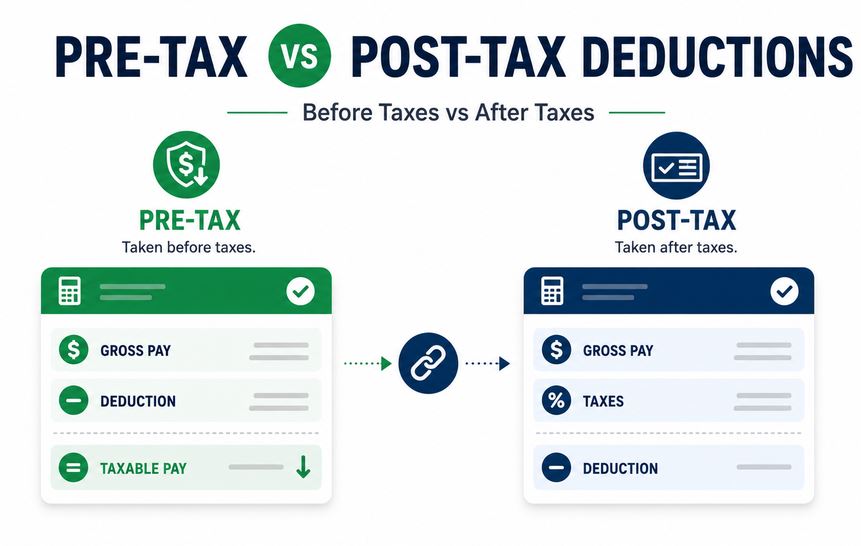
Most lenders run your debt-to-income ratio, or DTI: your monthly debt payments divided by your gross monthly income. Lower is better, and many cap approvals somewhere around 43%. Here’s the catch for self-employed borrowers. Lenders usually calculate your income off your net figure after write-offs, so the same deductions that shrink your tax bill also shrink the income they’ll credit you with. It’s worth knowing that trade-off exists before you apply.

How the loan type changes what you need

A personal or auto loan and a mortgage don’t weigh the same evidence. For a personal or auto loan, lenders care most about recent, steady cash flow, so current bank statements plus a recent return usually do the job. A mortgage leans much harder on two years of returns and digs into the detail, because the lender is projecting years ahead rather than months. If your write-offs make your returns understate your real cash flow, ask about bank-statement loan programs, which some lenders offer specifically for self-employed borrowers and which qualify you on deposits instead of taxable income. Send the records that answer the question being asked, and don’t bury them under paperwork nobody requested. If you’re not sure what the full menu looks like, here’s the rundown of documents a lender may want.

If your history is thin or your return understates you

New to self-employment, or coming off a year where deductions gutted your taxable income? Lead with what you’ve got: recent deposits, signed client contracts, and a year-to-date P&L that shows current momentum. A larger down payment or a cosigner can also offset a shorter track record. And if pay stubs are what the lender keeps asking for even though you’ve never had an employer, there are plenty of documents that work when you don’t have stubs.

Keep it honest, because they verify

Everything above works because it’s verifiable, and that’s also the line you don’t cross. Lenders routinely confirm what you hand over, pulling transcripts straight from the IRS and calling to verify documents. Inflated numbers or fabricated paperwork are easy to catch and can carry real legal exposure. Building a clean, formatted record from your actual earnings, backed by deposits and 1099s, is a normal way to organize income you can already prove. If you want the full picture on where that’s fine and where it isn’t, this breakdown of the rules and honest uses is worth a read. The rule that keeps you safe is simple: document money you actually earned, never numbers you didn’t.

The short version

Lenders aren’t allergic to self-employment income, they’re just wired to verify it. Bring two years of tax returns, a few months of bank statements, any 1099s, and a current P&L, and you’ve answered their real question before they finish asking it. Keep every number honest and verifiable, match the documents to the loan you’re after, and your freelance or business income can carry just as much weight as any salary.

Weed Dispensary Pocono: How Online Research Helps Visitors Compare Cannabis Products

People searching for a weed dispensary Pocono are often doing research before they make any plan. Some may live around the Pocono area. Some may be visiting for a weekend. Some may be comparing nearby cannabis options across state lines. Whatever the reason, the online search usually comes first.

That online step is not small. It helps people compare menus, product categories, prices, and shop personality before they decide where to buy. In cannabis, this matters a lot because customers want to feel comfortable with the product and the business behind it.

A good dispensary page should not only say “we have cannabis.” It should help people understand what they can browse online and how to think about their options.

Pocono searches often start broad

The Pocono area covers a lot of small towns, visitors, roads, cabins, resorts, and weekend travelers. Someone may not know the exact dispensary name they want. So they search broad phrases like weed dispensary Pocono, cannabis shop near Pocono, THC gummies near Pocono, or disposable vapes near Pocono.

That broad search means the page has to explain things clearly. It should help the visitor understand the connection between the area they searched and the dispensary’s online menu.

If the page is vague, the visitor may leave. If it gives clear product categories and useful information, they may keep browsing.

Online menus make planning easier

Visitors do not want to waste time guessing. If they are comparing cannabis products, they want to know what is available before they make a decision. Online menus help because people can check categories like flower, edibles, vape cartridges, disposable vapes, concentrates, and gummies from their phone.

For someone searching weed dispensary Pocono, this is useful because they may be planning around travel, weather, timing, or other errands. They may want to compare a few products before deciding anything.

The online menu becomes the first real customer touchpoint. It can make the shop feel organized, helpful, and easier to trust.

Product education should be simple

Not every cannabis customer knows product terms. Some people know exactly what they want. Others are still learning. A good online page should not assume every visitor is an expert.

Flower is different from edibles. Edibles are different from vapes. Disposable vapes are different from vape cartridges. Concentrates are another category. These differences should be easy to understand.

A weed dispensary Pocono page should speak to both experienced buyers and first-time browsers. It does not need to sound like a science paper. It just needs to make categories clear and give people a better way to compare.

Do not make the page only about driving

A lot of local cannabis pages focus too much on directions. Directions can be useful, but they should not be the whole page. Many customers want the online factor first. They want to see products, menus, categories, and answers.

For Pocono-area searchers, online discovery may matter even more because people could be checking options before a trip or while already moving around the region. They may not want a page that only says “come here.” They want to know why the shop is worth considering.

That means the content should talk about online browsing, menu checks, product categories, and responsible buying.

Trust is built before checkout

Cannabis shoppers want trust. They want to feel the products are real, legal, and properly offered through a serious business. A clean website helps with that. So does a clear menu, easy category navigation, and honest product wording.

For a weed dispensary Pocono search, trust is especially important because the person may not already know the shop. They are probably comparing options. The website has to do some of the work that a staff member would normally do in person.

Good online content can answer basic questions and reduce doubt.

Disposable vapes and edibles are common online checks

Two categories people often compare online are disposable vapes and edibles. Disposable vapes are popular because they are convenient and portable. Edibles are popular because they are smoke-free and easy to understand, although customers should be careful and patient with them.

A dispensary page should not oversell either one. It should present them as product categories and encourage responsible choices. Customers should read labels, understand serving information, and avoid making choices based only on strength.

For online shoppers, this kind of practical guidance can make the page more useful than a basic product list.

Local search should feel human

Some local SEO pages sound robotic. They repeat the city name too many times and do not really help the reader. That is not good for cannabis content. A better page should sound like it was written for a real person who is trying to make a choice.

Using weed dispensary Pocono naturally is fine, but the blog should also answer the reason behind the search. The person wants convenience, comparison, product confidence, and online information. That should guide the content.

Final thoughts

When people search for a weed dispensary Pocono, they are often starting with online research. They want to compare products, check menus, and understand what a dispensary offers before making any plan.

That is why the online factor should be front and center. Product categories, menu access, clear descriptions, and responsible shopping guidance make the page more useful.

A good cannabis website does not just attract clicks. It helps people make better choices. For Pocono-area cannabis searches, that is what can turn a simple location page into something more valuable.

No Pay Stub? How Gig Workers and the Self-Employed Prove Their Income in 2026

You can earn $4,000 a month driving for Uber, delivering for DoorDash, or freelancing from your laptop, and still watch a rental application stall because a leasing office wants “a pay stub.” That’s the odd bind millions of independent workers keep running into. The money’s real. It just doesn’t arrive in the format a landlord or loan officer is used to seeing.

Traditional income checks were built around W-2 employees who get a predictable stub every two weeks with an employer’s name on it. Gig and self-employed income doesn’t fit that template. Platforms hand you an earnings summary instead of a stub, your weekly totals move around, and you’re classified as an independent contractor rather than an employee. None of that makes what you earn any less legitimate. It just means you have to document it differently.

Here’s how to do that in 2026, document by document, plus a few moves that make your file look as solid as any salaried applicant’s.

What “proof of income” actually means

Before you gather anything, it helps to know what the person on the other side is trying to confirm. Proof of income is any credible record showing you earn enough, consistently enough, to cover an obligation. A landlord wants confidence you can pay rent every month. A lender wants confidence you’ll repay what you borrow.

Most landlords look for gross monthly income of roughly two to three times the rent. Lenders reviewing self-employment income usually want a track record, often about two years, before they’ll treat it as stable. So the goal isn’t to prove you made money once. It’s to show a pattern.

Why gig and 1099 workers hit a wall

The core problem is format, not amount. DoorDash, Uber, Instacart, and similar platforms treat drivers as independent contractors, so they don’t cut a classic pay stub with taxes already withheld. Instead you get an earnings summary inside the app. Your income also swings week to week based on hours, demand, and bonuses, which can look shaky to someone skimming for one steady number.

The fix is to bring several documents that back each other up. One record on its own invites questions. Three that tell the same story are hard to argue with.

The documents that actually work

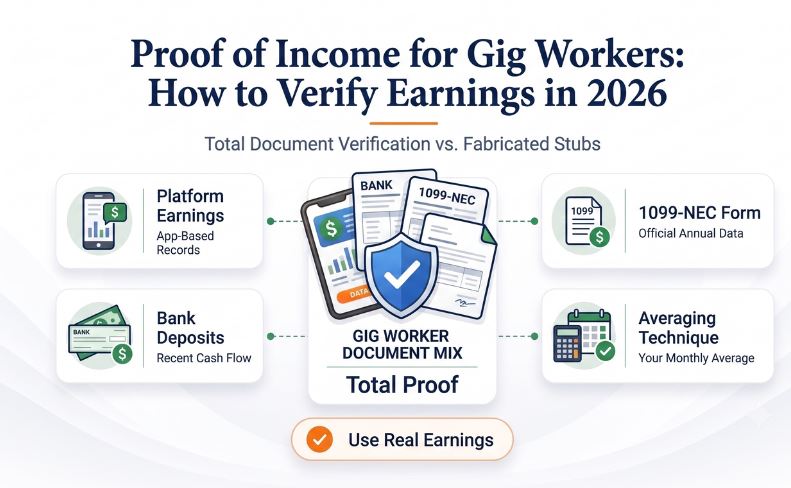
Bank statements. These are the backbone of proving income when you don’t have pay stubs. Two to three months of statements show real deposits landing in your account. If your earnings come from a mix of apps or clients, highlight or annotate the relevant deposits so a reviewer can follow the money without guessing.

Platform earnings summaries. Download your weekly or monthly statements straight from the app you work through. DoorDash, Uber, Lyft, and Instacart all let you export earnings as a PDF showing base pay, tips, and bonuses. Pair these with your bank deposits so the two sets of numbers reconcile.

1099 forms. If a single client or platform pays you $2,000 or more in 2026, they’ll generally issue a 1099-NEC for that work. That dollar figure was raised from $600 starting this year, so smaller clients may not send one at all. Payment apps like PayPal and Venmo issue a different form, the 1099-K, and only after you clear their reporting threshold, which for 2026 is more than $20,000 and more than 200 goods-and-services transactions. A handful of states set lower limits. The practical point that trips people up: if you don’t receive a 1099, your income is still real, taxable, and provable. It simply means nobody was required to file the form, and you document the income with deposits, earnings summaries, and your return instead.

Tax returns. For anyone self-employed, a full return is one of the strongest records you can put in front of someone. Your Form 1040 with Schedule C shows what your business actually brought in and netted after expenses, and it carries the weight of a document you filed with the IRS. Landlords who deal with freelancers often average your last two years to size up a stable monthly figure. You can pull prior returns from your IRS Online Account.

Profit and loss statement. A simple P&L, monthly or year to date, lays out revenue minus expenses. It’s especially handy when your most recent return doesn’t capture a recent jump in earnings.

A self-prepared pay stub, built from real numbers. Plenty of self-employed people create a clean, formatted pay stub from their actual earnings to present alongside bank statements. Done honestly, that’s a normal bookkeeping habit, not a shortcut. The stub just organizes income you can already prove with deposits and 1099s into the familiar layout reviewers expect.

When someone wants to verify it themselves

Some platforms let a landlord or lender confirm your earnings through a third-party service. DoorDash, for example, routes employment verification through a partner rather than letting you start the process yourself. The institution submits the request, and you approve or deny the release. It’s worth knowing this exists so you’re not caught off guard, and so you can tell a reviewer up front how they can verify you if they’d rather go straight to the source.

Special cases

Getting paid in cash. Cash income is legitimate, but it leaves no automatic paper trail, so you have to build one. Deposit it on a regular schedule, keep a dated ledger, and hold on to invoices or receipts. There’s a fuller walkthrough of documenting cash earnings if that’s your situation.

You’re new to gig work. Thin history is common, and landlords hear it more than they let on. If you don’t have months of records yet, lead with what you do have: recent deposits, a signed client contract or platform acceptance, and an offer of a larger deposit or a cosigner to offset the shorter track record.

Match the documents to the situation

An apartment application and a loan application don’t weigh the same evidence. A leasing office mostly cares about recent, steady cash flow, so current bank statements plus earnings summaries do a lot of the work. A mortgage or larger loan leans harder on tax returns and a multi-year history, because the lender is projecting years ahead rather than months. Send the records that answer the specific question being asked, and don’t bury them under paperwork nobody requested.

One rule that protects you: keep it real

Everything above works because it’s verifiable. That’s also the line you don’t cross. Fabricated stubs or inflated numbers are easy to check and easy to reject, and depending on how they’re used, they can carry real legal exposure. Landlords and lenders routinely verify what you hand over. If you want the full picture on where documenting your own income is fine and where it isn’t, this breakdown of the rules and honest uses is worth a read. The short version: document income you actually earned, and you’re on solid ground.

Your quick checklist

Before you apply, pull together:

  • Two to three months of bank statements, with gig deposits highlighted
  • Earnings summaries from every platform you work through
  • Any 1099-NEC or 1099-K forms you received
  • Your most recent one or two tax returns
  • A year-to-date profit and loss statement
  • An honest, formatted pay stub built from those real numbers, if it helps present everything cleanly

Your income doesn’t have to arrive in a W-2 envelope to count. It has to be documented in a way someone else can follow and verify. Line up the records above, make them easy to read, and gig or freelance earnings can carry as much weight on an application as any salary.

Buy Marijuana Flower Online: What Smart Shoppers Check Before Ordering

A few years ago, many customers had to visit a shop first, ask what was available, and make a quick decision at the counter. Now, online menus make the process easier. You can compare strains, sizes, prices, and product details before leaving home.

That is why many adult customers search for Buy marijuana flower online when they want a faster way to shop. The good part is convenience. The tricky part is knowing what to check before placing an order.

Do Not Choose Flower by Name Only

Strain names can be fun, but they do not tell the whole story. A name may sound strong, sweet, relaxing, or famous, but you still need product details. When you Buy marijuana flower online, look beyond the name and check the description.

Is it indica, sativa, or hybrid? What size is available? Is there information about aroma, flavor, or general product style? Does the menu show price clearly? These details help you make a better choice instead of guessing.

A smart flower buyer does not rush just because the name looks popular.

Check the Weight Before the Price

Price matters, but it should always be read with weight. A product may look cheaper until you realize the amount is smaller. Another option may cost more but give you better value based on quantity.

When you Buy marijuana flower online, compare gram, eighths, quarter, or other available sizes carefully. This helps you understand what you are actually paying for.

Online shopping is useful because you can compare without pressure. Take a moment to look at similar flower options and see which one fits your budget and use.

Understand What You Want From the Flower

Not everyone buys cannabis flower for the same reason. Some customers care about flavor. Some want a classic strain. Some want something smooth for a slow evening. Some prefer a brighter, daytime-style option. Others just want a simple flower choice without overthinking it.

Before you Buy marijuana flower online, decide what matters most to you. Is it price? Strain type? Potency? Freshness? Brand? Quantity? Once you know that, the menu becomes easier to read.

This also helps you avoid buying something only because it is trending.

Freshness Should Be Part of the Decision

Good flower should not feel like an afterthought on a menu. It should be listed clearly, stored properly, and sold through a trusted source. While you may not be able to smell or see the product in person before ordering, the online listing can still tell you a lot.

When you Buy marijuana flower online, check whether the dispensary gives enough product information. A clean menu with clear categories usually shows that the shop takes the buying experience seriously.

If the listing is vague, missing basic details, or hard to understand, you may want to keep comparing.

Look at Categories Before Choosing

Most online cannabis menus break flower into categories. You may see indica, sativa, hybrid, premium flower, smalls, or strain-specific listings. These categories can help you shop faster.

If you are new to flower buying, do not try to understand everything at once. Start with the category that matches your general preference. Then compare a few products inside that group.

This is one reason people like to Buy marijuana flower online. The menu gives you room to browse at your own pace instead of making a quick decision in line.

Confirm Pickup or Delivery Details

Buying online does not mean the same process everywhere. Some dispensaries allow online ordering for pickup. Some may offer delivery where local rules allow it. Some require payment at pickup. Others may have specific checkout steps.

A smooth order starts before you click checkout.

Avoid Overbuying on the First Order

If you are trying a new strain or shopping from a new menu, it may be better to start with a smaller amount. That way, you can see whether the flower matches your preference before buying more.

This is especially useful when you Buy marijuana flower online because you are making the decision based on menu details. Even with good descriptions, personal preference still matters. Some people like strong aroma. Others prefer milder flower. Some like dense buds. Others care more about price and availability.

Starting small can keep the order simple.

Buy From a Source That Feels Clear

A trustworthy flower page should make shopping easier. It should show product option, explain categories, and guide you toward the right section without clutter. The buying experience should feel organized.

When customers search Buy marijuana flower online, they are usually looking for convenience, but they also want confidence. They want to know what is available, what it costs, and how to place the order correctly.

That is what a good cannabis flower page should provide.

Final Thought

Online flower shopping saves time when the menu is clear and the buyer knows what to check. Do not choose only by strain name. Compare weight, price, category, availability, and pickup details before ordering.

For adult customers who want a simpler way to shop, the best way to Buy marijuana flower online is to use a trusted dispensary like Feels of Green Dispensary, read the product details, and choose flower that fits your actual needs.

Oral Cannabis Spray: A Real Buyer’s Guide Before You Order Online

Buying Oral cannabis spray online looks simple from the outside. You see a small bottle, read a few product lines, check the price, and maybe think, okay, this is easy. But cannabis products are not the same as buying a phone case or a bottle of shampoo. You need to slow down a little and check what you are actually ordering.

The mistake many buyers make is treating every product page the same. They look at the packaging first, then the price, then they add it to cart. That is not the best way to buy Oral cannabis spray online. A better way is to read the page like someone who wants to avoid confusion later.

First, Know What You Are Buying

The word “spray” sounds simple, but not every spray is made the same way. One product may contain THC. Another may contain CBD. Some may include other cannabinoids, flavors, or carrier ingredients. So before you buy Oral cannabis spray, check the actual product details.

Do not depend only on the product name. A name can sound clean, premium, or strong, but the label tells the real story. Look for the bottle size, ingredient list, cannabinoid information, warnings, and product description. If the page does not explain these things clearly, that is already a reason to pause.

A good online store should not make you guess. It should make the product easy to understand before checkout.

Check the Legal Side Before the Price

This is the boring part, but it matters. Cannabis rules are different depending on location. Some places allow certain cannabis products.

Before ordering Oral cannabis spray, check if the product can legally be bought and shipped to your area. If the website gives clear information about this, that is a good sign. If everything feels unclear, hidden, or too casual, be careful.

A trusted seller should make the buying process feel clean and direct. You should know what you can buy, where it can ship, and what steps are required before the order is complete.

Do Not Let Nice Packaging Decide for You

Good packaging is nice. Nobody wants to buy from a page that looks messy or careless. But nice packaging does not prove the product is right for you.

When shopping for Oral cannabis spray online, look past the bottle design. Ask simple questions. What is inside? Is the ingredient list clear? Does the seller explain the product properly? Are there any testing details? Is shipping information easy to find?

Many products online look premium because the photo is good. But a serious buyer should care more about product transparency than the label style.

Read the Page Like You Are Spending Real Money

This sounds obvious, but people often rush online orders. They compare two products for ten seconds, choose the one that looks better, and then regret not checking details.

When buying Oral cannabis spray, take two minutes and read everything on the page. Check the description, product size, possible restrictions, checkout steps, delivery details, and support information. If lab reports or batch details are available, review them too.

You do not need to overthink every line. But you should understand enough that the product does not feel like a mystery.

Compare Value, Not Just Price

A lower price can look attractive, especially when you are comparing products online. But price alone does not tell you much. One bottle may be cheaper because it is smaller. Another may cost more because the product details are clearer, the brand gives testing information, or the packaging and shipping are better handled.

The best value is usually the product that gives you both fair pricing and enough confidence.

Check Support Before You Need It

A lot of buyers only look for support after something goes wrong. That is too late. Before you buy, check if the website has a clear way to contact the seller. There should be a contact page, email, chat, or some simple support option.

This is extra important with cannabis products. You may have questions about shipping, product details, order status, or restrictions. If the seller is hard to reach before you buy, they may also be hard to reach after you pay.

When ordering Oral cannabis spray online, support is part of the buying experience. Do not ignore it.

Start Small If You Are New

If you are buying this type of product for the first time, it is better to start carefully. Do not place a large order just because the website looks polished or the product sounds interesting.

Try to understand the product, the seller, and the ordering process first. See how clear the communication is. See how the checkout works. See whether the delivery information makes sense.

A careful first order is better than rushing and feeling unsure later.

Final Thought Before Checkout

Oral cannabis spray can be a convenient product format for adult buyers where cannabis products are legal. But online convenience should not replace careful buying. The product page should answer your basic questions before you order.

Check the ingredients, legality, testing details, shipping rules, price, and seller support.

The smartest way to buy Oral cannabis spray online is simple: read first, compare slowly, and only order when the product and seller both feel trustworthy.