Meta Title: 3 Paycheck Months 2026: Find Your Extra Payday
Meta Description: Find your three-paycheck months in 2026 based on your biweekly payday. See key dates, 26 vs 27 paychecks, taxes, deductions and budgeting tips.
Getting paid three times in one month can feel like a bonus, especially if your household budget is built around two paychecks. For many biweekly workers, 2026 includes two months with three paydays instead of two.
The exact months depend on your pay cycle.
If your biweekly Friday schedule included January 2, 2026, your three-paycheck months are January and July. If your schedule included January 9, your three-paycheck months are May and October.
That makes October especially important for workers whose paydays fall on October 2, October 16 and October 30.
Why Do Three-Paycheck Months Happen?
Biweekly employees are usually paid every 14 days.
That creates 26 regular paychecks during most years.
A calendar year, however, is longer than exactly 26 two-week periods. Because months are not all the same length, two pay cycles occasionally fit three paydays into a single month.
That third check is not usually extra annual income. It is simply part of the same annual pay schedule.
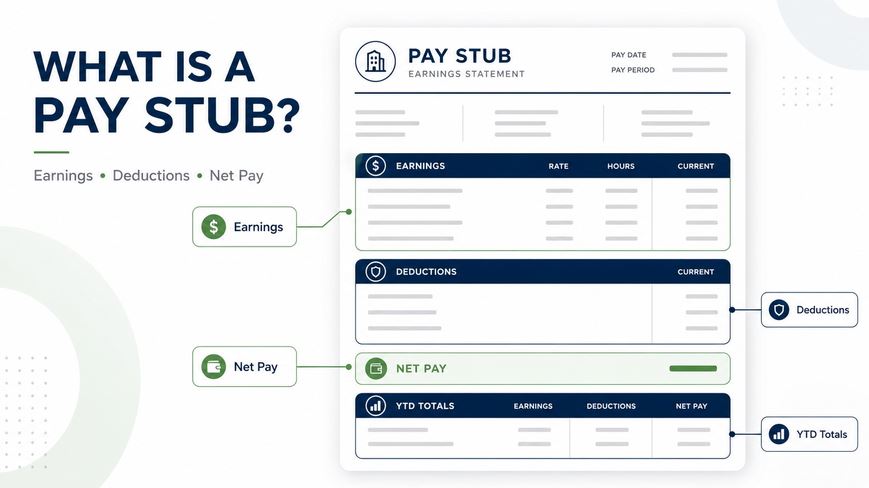
If you are unsure where the actual pay date appears, understanding what a pay stub is can help you distinguish the pay period from the date the money was issued.
Which Months Have Three Paychecks in 2026?
There is no single answer for every employee because biweekly schedules begin on different Fridays.
One common schedule has these three-paycheck months:
January 2026
- January 2
- January 16
- January 30
July 2026
- July 3
- July 17
- July 31
Another common schedule has:
May 2026
- May 1
- May 15
- May 29
October 2026
- October 2
- October 16
- October 30
The easiest way to identify your schedule is to start with one confirmed payday and move forward in 14-day intervals.
Do not assume your coworker has the same dates if they are paid through a different employer or payroll schedule.
Is the Third Paycheck Really Extra Money?
Not exactly.
Suppose you earn $52,000 a year and receive 26 biweekly paychecks.
Your gross pay per check would be:
$52,000 ÷ 26 = $2,000
The three-paycheck month does not increase your annual salary to $54,000. It simply means three of those regular $2,000 gross checks happen to fall inside one calendar month.
It may still feel like extra money because many monthly budgets are built around only two checks.
That is where knowing gross vs net pay becomes useful. A $2,000 gross paycheck does not mean $2,000 reaches your bank account after taxes and deductions.
Will the Third Paycheck Be Taxed?
Yes, it is still a regular paycheck.
Federal income tax withholding may apply, along with Social Security, Medicare and state or local taxes where required.
You may see the same payroll deductions that appear on your first two checks.
Employees confused by Social Security and Medicare deductions can review what FICA is on a pay stub to see why those taxes continue even during a three-paycheck month.
Federal withholding may also vary slightly depending on your wages, W-4 information, bonuses, overtime or other taxable earnings.
Why the Third Check Sometimes Looks Bigger
Some employees notice that their third check is larger than the first two.
This may happen because certain benefit deductions are taken only a fixed number of times per month.
For example, an employer might deduct health insurance from the first two checks but not the third. Other employers spread the same benefit cost across all 26 pay periods.
Retirement contributions may also continue normally if they are calculated as a percentage of pay.
That means two employees earning the same salary may have very different third-paycheck amounts.
The best approach is to compare the deduction lines on all three checks rather than assume payroll made an error.
If the layout feels confusing, the ePaystubs guide on how to read a pay stub can help you separate earnings, taxes, benefits and net pay.
What Happens to YTD Earnings?
Your year-to-date totals continue building normally.
If you receive three checks in October, each one increases your annual earnings, taxes and deduction totals.
That can make the YTD column jump faster than it did during a normal two-paycheck month.
Checking what YTD means is helpful when comparing one pay period with the total you have earned since the beginning of the year.
This can also help catch payroll problems. If the current check looks correct but the YTD amount does not, an earlier adjustment may be responsible.
Can a Holiday Change the Payday?
Yes.
When a scheduled payday falls on a bank holiday or when the employer uses an early-processing policy, the money may arrive before or after the expected date.
That matters near the beginning or end of a month.
A payday expected on January 1, for example, may move into December depending on company policy. That can change which calendar month appears to have three payments.
Use your employer’s actual payroll calendar instead of relying only on a generic biweekly schedule.
What Should You Do With a Three-Paycheck Month?
There is no rule saying the third paycheck must be saved.
Some people use it for irregular expenses that do not fit neatly into a monthly budget.
That might include car insurance, school costs, debt payments, emergency savings, home repairs or annual subscriptions.
Others simply treat it like every other check.
The important point is not to assume it is free money. Rent, groceries, taxes and other expenses still continue after the three-paycheck month ends.
If your normal monthly budget works on two checks, the third payday can create useful breathing room. Just remember that the following month will usually return to the normal two-check schedule.
Final Takeaway
Three-paycheck months happen because biweekly workers are paid every 14 days, creating 26 regular paychecks during most years.
In 2026, employees on one common Friday schedule had three paychecks in January and July. Workers on another common cycle have three checks in May and October.
Check one confirmed payday, count forward by 14 days and compare the dates with your employer’s actual payroll calendar.
The third paycheck may feel like a bonus, but it is usually part of your normal annual earnings. Use your pay stub to check gross pay, deductions, taxes, net pay and YTD totals before deciding how much of that check is really available to spend.


