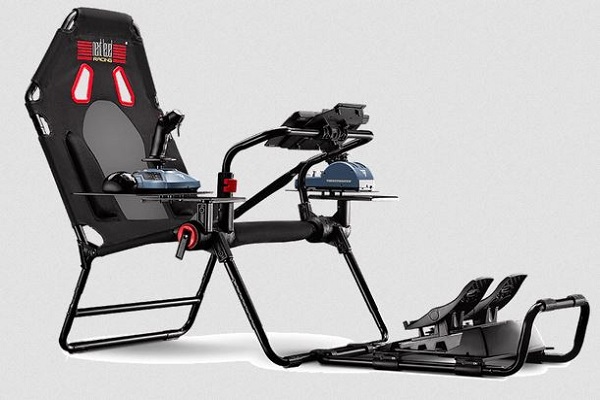
A flight simulator is a machine that uses a mix of computer technology, motion, sound, and other inputs to imitate what it’s like to fly a plane. A simulator replicates the equations that regulate how real airplane maneuvers, how an aircraft responds when you control the flight controls, and how airplanes respond to weather and other exterior forces.
A pilot trainee begins in the simulator cockpit and learns to fly an airplane. The cockpit has just the same controls and tools as a real airplane, so the training is (nearly) identical to what the trainee will experience on an airplane. This is one of the safest methods to train pilots for real-world applications, to ensure that they will have the ability to safely fly and land a plane. Advanced sorts of simulators also make use of activity and audio to train pilots for sophisticated maneuvers.
Amazing Things Flight Simulators Teach You
Navigational Procedure
Flying a plane requires understanding what you’re doing at all times, where you’re taking off from, where you’re going to land, what various other planes are in the air at the same time, and what landscape or weather aspects you will encounter along the way. A pilot also needs to know how to use both visual flight guidelines and later learn to fly under tool flight rules (VFR/IFR).
All of these backups and more can be configured into a flight simulator so that a pilot trainee can practice in a safe, enclosed atmosphere.
The simulated trip will certainly traverse real lakes, rivers, roadways, airport terminals, mountains, and other landmarks. Thanks to the navigational procedures you learn in the class and the simulator, you will have the ability to prepare a flight path, choose to stop factors along the course, and safely make the whole trip from takeoff to landing.
How to Handle In-Air Emergencies
If you took a driver training class as a young adult, you may have had an area where you found out about skid control with your instructor. Practicing skid control maneuvers in a safe atmosphere aids the driver’s progress in getting ready for a real-world skid. The same principle relates to an airplane.
Similar to any other kind of maker, an airplane can occasionally experience a mechanical failure. And unfortunately, this does not always happen when the plane is conveniently on the ground. A lot of different types of aircraft failures can be reproduced on a flight simulator.
Radio Procedures
If you’ve ever watched a movie with pilots and aircraft in it, you probably noticed that there is a lot of complex radio communication involved. Pilots have to be able to communicate effectively and quickly with air traffic control (ATC) and other pilots in the air. Another way to hone those skills, however, is while using a flight simulator. You will be working on the correct phrases with your instructor and relaying information back and forth with an instructor, to make the experience as realistic as possible.

 Our Content Blogs