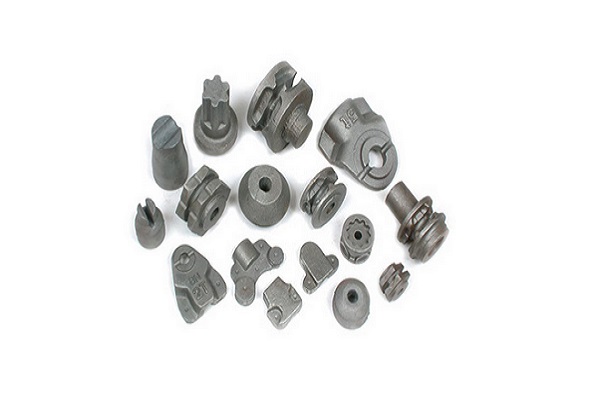
The oldest casting procedure, sand casting can be traced back to earlier than 1000 B.C. Process controls, product alternatives, tolerance capabilities, the capacity to generate small components, and huge size ranges– those have all come to a very long means, naturally. But the steel fundamentals are relatively unmodified. Produce a cavity in the form of the part you want, and pour molten metal into it.
The result of centuries of advancement is that sand casting is the most versatile, and possibly the most extensively used metal casting approach.
Design needs (including shaping and size demands), product and tooling expense, quantity needed, and also expediency to make dictate which metalworking processes are ideal when choosing how to make a product.
Products produced using sand casting use techniques that produce designed parts of any type of design, including huge parts and those with interior paths. There might be more optimal casting or metal-working processes for the type of details product based upon:
•Required tolerances
•Layout ins and out
•Volume
•Tooling availability
•Lead time
The process is described as sand casting because the mold which contains a cavity into which metal is poured is made of compressed or compacted sand. The sand contains some other material that encourages it to hold its shape.
Benefits Of Using Sand Casting
1.Alloy
Sand castings can be conveniently produced in almost any kind of ferrous or non-ferrous alloy. A few other casting processes will thaw and put super-alloys in a vacuum, however that is not done as a sand casting. Some products can not be “worked”, and must be generated as a casting.
2.Low Tooling Expense:
The reasonably low cost of tooling makes sand casting a procedure of selection for reduced volume needs. Patterns do put on so the product chosen for the pattern (normally timber, plastic, or metal) will depend upon the anticipated usage quantity of the component being developed. Though not always less costly in the brief run, the use of machined (or “patternless”) molds may be an economical option for components with expected reduced usage over a longer amount of time.
3.Versatile– Dimension, Weight, Shape:
Sand casting can be produced in weights from ounces to 200+ heaps. Via the use of cores, interior structures can be cast in position. Formed components rely mainly on the imagination of the designer. Many sand castings, however, will require a minimum of some machined surfaces, either due to innate tolerance limits of the process, or the need to mate with various other components.
4.Any type of Amount:
Because the tooling cost can be minimal, sand casting might be appropriate for a single production run. Alternatively, there are vehicle components that are developed using this process, so they might be used in high-volume applications.
The casting process itself might be quicker than some others, like investment casting, however, it is essential to think about the post-casting procedures like machining that may be called for when calculating total lead times.
 Our Content Blogs