When people talk about cannabis packaging, they often focus on the front of the cannabis mylar bags. They notice the finish, the colors, the logo, and the overall shelf appeal. That part matters, but freshness is usually decided by something less obvious. It comes down to how well the package protects the product from the things that slowly wear it down over time. In cannabis, the biggest troublemakers are oxygen, moisture, and light. Those three factors can change aroma, texture, smoking experience, and overall product quality if the packaging is not doing its job well enough.
That is where Flowerpot Packaging makes sense. Flowerpot does not present mylar bags as simple printed pouches. It is about having the right bag, built the right way, for the way cannabis is stored, transported, displayed, and opened by the customer.
Cannabis Freshness Is Really About Protection
Fresh cannabis is sensitive in ways that many buyers do not fully think about until they have had a bad packaging run. Flower can dry out too much, pick up too much moisture, lose aromatic punch, or feel flat after sitting in packaging that looked fine on screen. Packaging industry guidance on barrier packaging is fairly clear on this point: products that need shelf-life protection often need defense against gases, moisture, and light, and stronger barrier structures often rely on foil or metallized layers to do that work.
That is one reason cannabis brands keep coming back to cannabis mylar bags. A well-made cannabis mylar bag is not only light and easy to store. It also gives brands a flexible format that can be engineered for barrier performance, child-resistant requirements, and retail presentation at the same time. Flowerpot’s mylar bags are customizable in size, shape, format, and finish, while still being built to balance premium aesthetics with functional durability. That last part is important. Freshness depends on the functional side just as much as the visual side.
Why Oxygen Matters More Than Most People Realize
One of the fastest ways cannabis starts to lose its edge is repeated oxygen exposure. Oxygen is one of the primary factors that degrades flower quality, with oxidation contributing to changes in cannabinoids and overall quality during storage. When oxygen keeps moving in and out of a package, the product inside has less protection from those slow chemical changes.
That is why bag structure and closure matter so much. A cannabis bag that closes loosely or seals inconsistently may still look attractive, but it is working against the product. Flowerpot’s broader packaging language suggests a more careful approach. The company emphasizes custom dielines, structural optimization, and production management from design handoff through final print. In easy terms, that means the bag is being thought through as an object that has to perform, not just as a printed surface. For freshness, that matters because the difference between a forgettable bag and a protective one often comes down to structure, fit, and build quality.
Moisture Control Is Just As Important
A lot of people think freshness only means stopping the flower from drying out. Real storage is a little more delicate than that. Too much moisture can encourage mold risk, while too little can leave flower harsh and brittle. That means the package has to help maintain a more stable environment instead of letting conditions swing too far in either direction.
This is where better cannabis mylar bags help. Barrier packaging is used to protect products from harmful effects of gases, moisture, and light, since these factors can reduce quality and performance. In cannabis, that protection is closely tied to the bag material itself. If the film structure is doing its job, the flower is not left as exposed to outside conditions. Flowerpot’s materials and packaging-engineering suggests that these practical issues are considered early, not as an afterthought once the design is already locked.
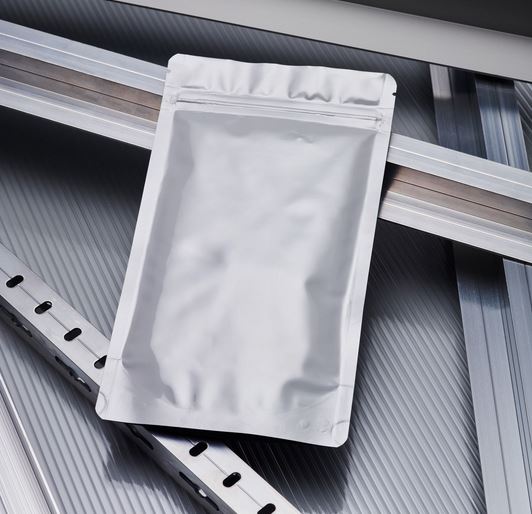
Light Protection Helps Preserve What Customers Actually Notice
Freshness is not only about shelf life in a technical sense. It is also about what the customer notices the moment the bag opens. Aroma, flavor character, and the overall feeling of quality are tied closely to how well the product has been protected. Light exposure can play a role in degrading sensitive compounds during storage, which is why barrier packaging often includes protection against light as well as moisture and oxygen.
That is one reason cannabis brands often prefer opaque or metallized flexible cannabis mylar bags instead of clear, lightweight bags that do little beyond basic containment. Flowerpot’s mylar bag offerings include a wide range of finishes and formats, but the company frames customization alongside performance and durability rather than treating appearance as the only goal. From a freshness standpoint, that is the right order of priorities. Cannabis packaging has to protect first and impress second, even if both matter at retail.
The Right Size and Structure Help More Than People Expect
Freshness can also be affected by details that seem small at first. Bag size, fill behavior, seal area, and overall construction all shape how well the product is protected. A bag that is oversized for the amount of flower inside can leave more headspace than needed. A poor structure can create weak spots or make the package feel less secure once it is filled, transported, and handled. These are the kinds of issues buyers often notice only after a run is already in motion.
Flowerpot’s packaging process is useful here because it is built around discovery, design and development, prototyping and refinement, then production and delivery. For a cannabis brand, that kind of process matters because freshness is easier to protect when the bag has been tested and refined before a large run, not guessed at from a flat mockup.
Why Flowerpot’s Approach Fits Cannabis Brands Well
From a buyer perspective, Flowerpot’s strength is that it does not reduce cannabis mylar bags to decoration. The company talks about functional durability, custom structures, materials strategy, production coordination, and support for brands navigating cannabis packaging needs. That gives cannabis brands a better chance of ending up with packaging that protects freshness while still presenting the product the right way at retail.
So when people ask how Flowerpot Packaging cannabis mylar bags help keep cannabis fresh, the answer is fairly simple. They help by treating freshness as a packaging job, not just a branding exercise. When the bag is designed with barrier protection, smart structure, and production quality in mind, cannabis has a better chance of staying closer to the condition the grower and brand intended. That is what good mylar packaging is supposed to do, and it is exactly the kind of thinking Flowerpot appears to build into the process.

 Our Content Blogs